Cristian Sánchez
Apr 10, 2025 · 5 min read
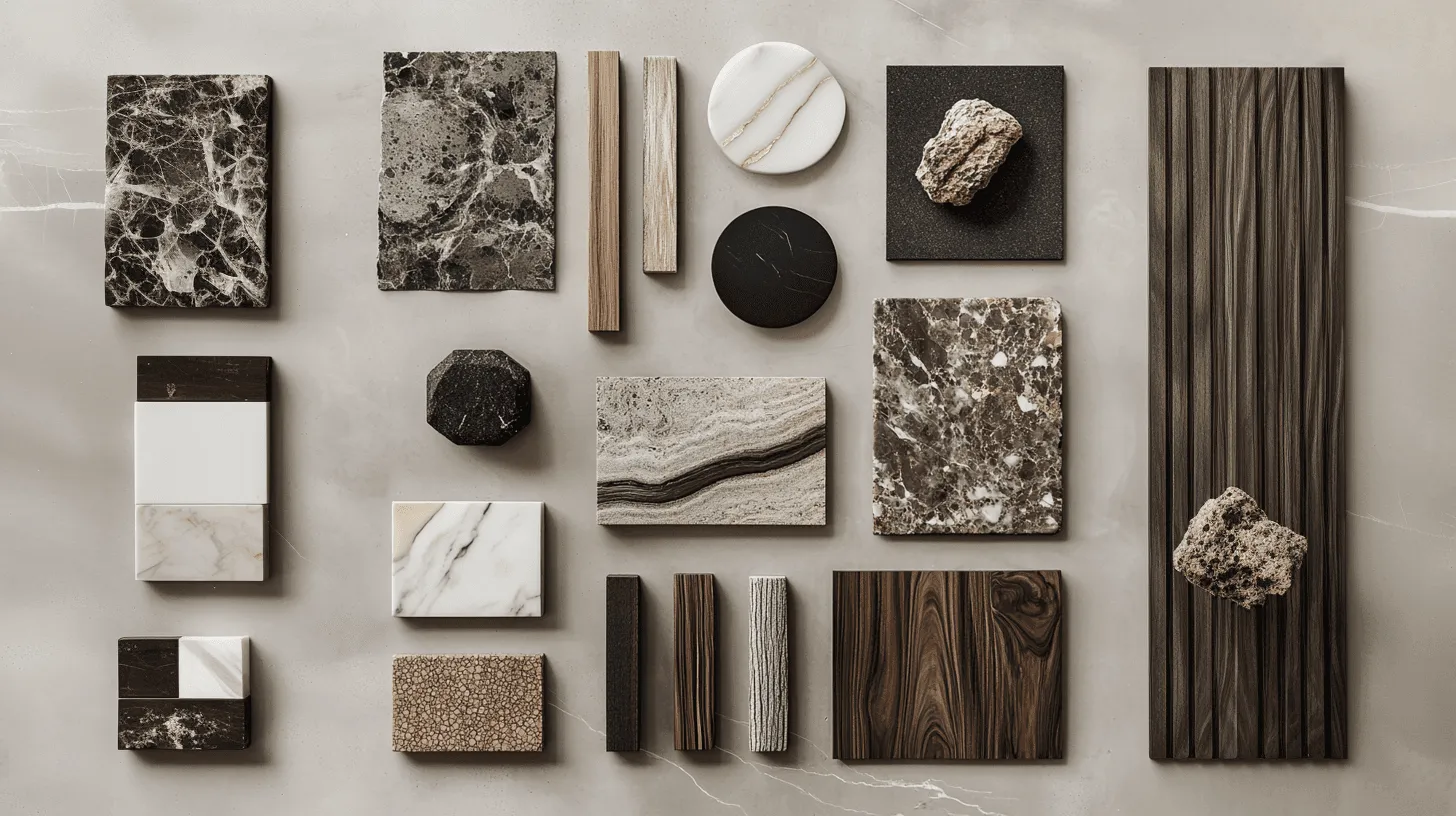
Every year, the material palette available to architects and interior designers expands and evolves. In 2025, we're seeing a clear and decisive shift away from the antiseptic minimalism of the previous decade toward warmer, more tactile, and more honest expressions of material.
Here is what our team at author. design® is seeing across the projects we're currently designing and building.
Terrazzo has been in a renaissance for several years, but in 2025 the trend is maturing. Clients no longer want the speckled, primary-colored terrazzo of mid-century revival. They want warm, tonal compositions — cream with sand aggregate, charcoal with warm gray chip, olive with forest green. The aggregate is smaller, and it's appearing everywhere from kitchen counters to full bathroom floors and walls.
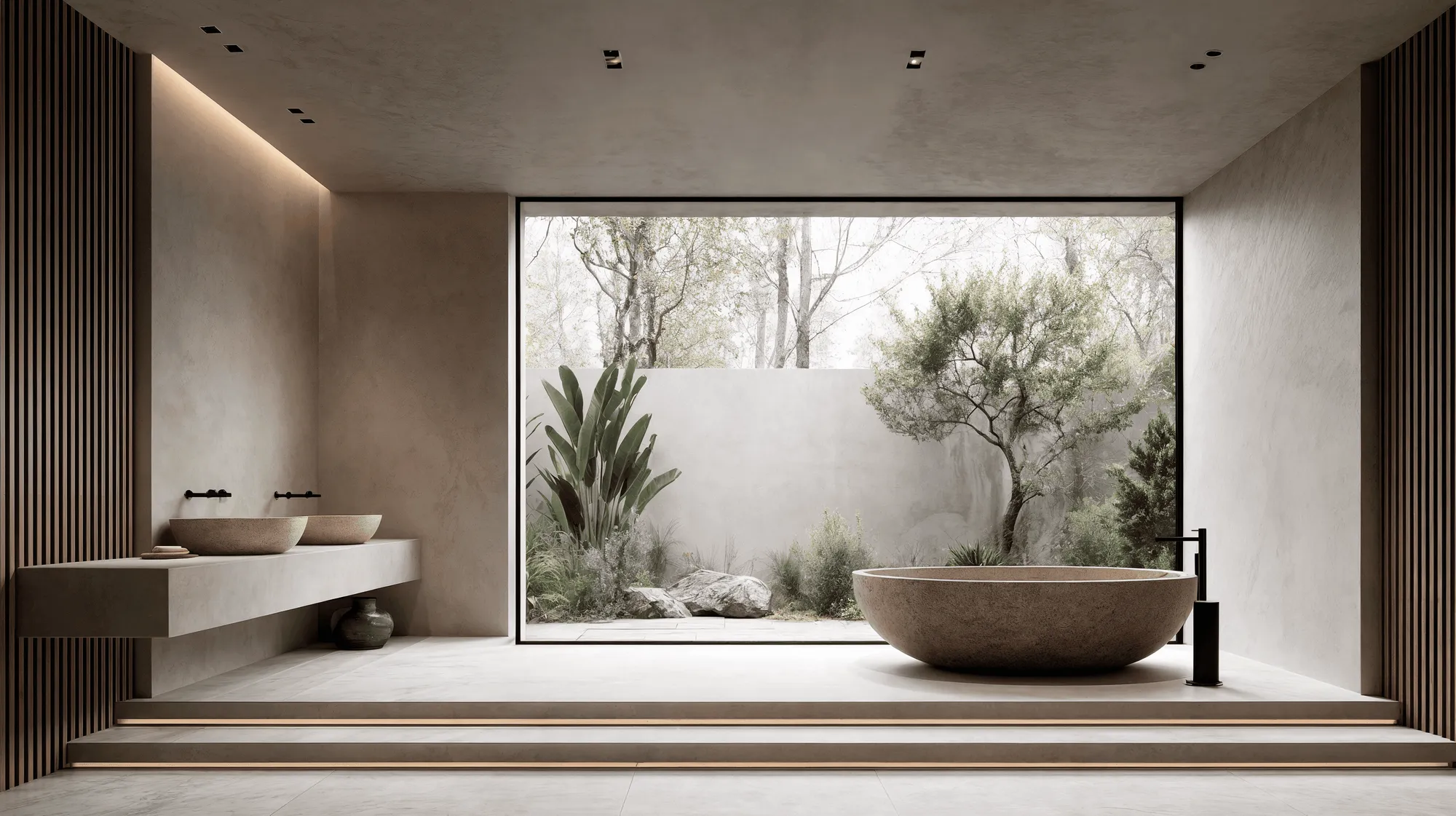
The brutalist concrete aesthetic never really went away, but it's being significantly humanized. We're seeing pigmented concrete — warm sand, terracotta, dusty rose — combined with deep-set timber forms that leave their grain pattern impressed into the surface. This combination of raw, heavy material with evidence of human craft is one of the most compelling directions today.
The best materials tell the truth about what they are. They age well, they mark time, and they make a building feel like it belongs to its place.
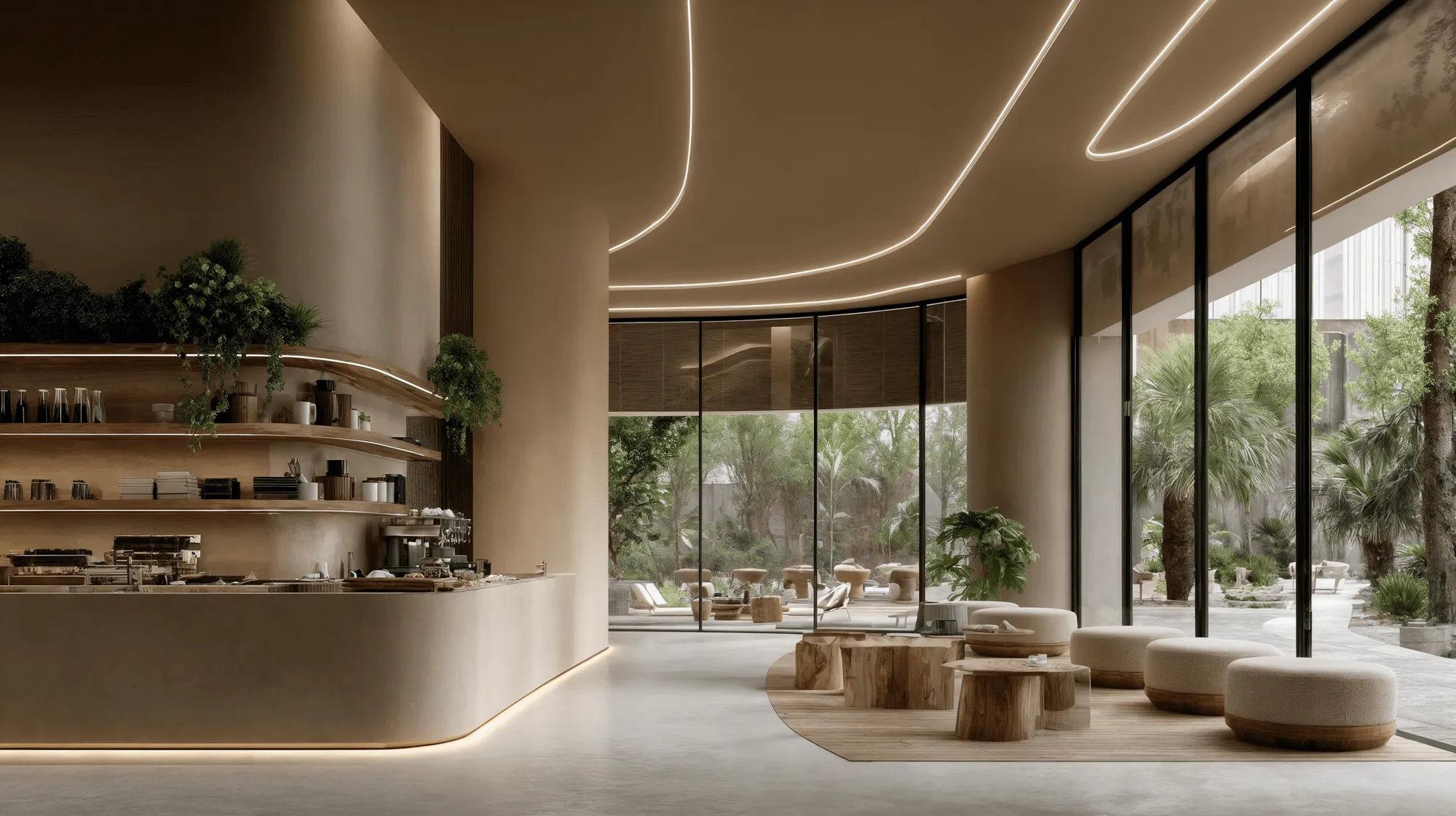
Moss walls, preserved lichen, natural reeds — materials that are literally alive or that reference the living world are commanding premium positioning in high-end interiors. Where budgets allow, we're integrating vertical garden systems not as decorative features but as structural elements of the spatial composition.
Quarried stone remains the gold standard, but sourcing concerns and cost have accelerated compelling alternatives. Sintered stone — a compressed-ceramic material that mimics marble and granite at large format — has improved dramatically and outperforms natural stone in maintenance and consistency.
Smooth, painted drywall is being replaced in high-end projects by hand-applied limewash and mineral plasters. The depth of color and the way these materials respond to natural light are simply impossible to achieve with paint. They also age beautifully.
The through-line in all of these trends is a move toward authenticity and warmth. The cold, perfect surfaces of the 2010s feel out of step with how people actually want to live. At author. design®, we've been working in this direction for several years. If you're planning a project, we'd love to explore how these materials can work in your space.