Cristian Sánchez
Apr 14, 2025 · 6 min read
When we think about architecture, the first thing that comes to mind is usually what we see — the form, the proportions, the materials catching light. But truly great architecture goes far beyond the visual. It speaks to all of our senses, creating an experience that we feel in our skin, hear in the acoustics, and even smell in the materials.
At author. design®, we believe that the most memorable spaces are those that engage the full sensory palette. This isn't a new idea — it has deep roots in the history of architecture — but it's one that's increasingly important in a world saturated with visual stimulation.
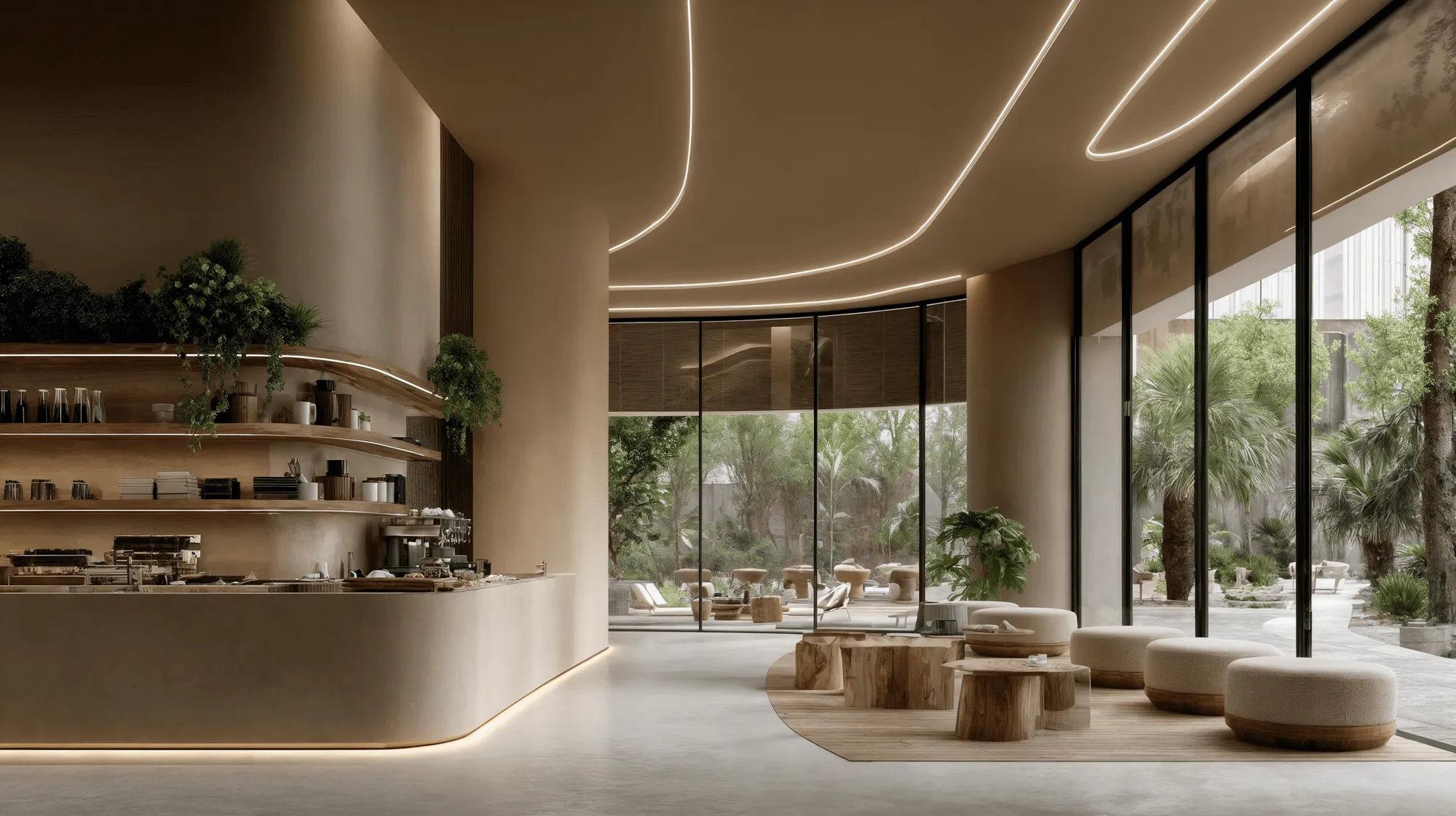
Natural light is the most powerful tool in the architect's repertoire. The way it enters a space — through a narrow slot that throws a single shaft across a textured wall, or through a wide aperture that floods a room with warmth — fundamentally shapes how we experience that space. We think of light not as an afterthought but as a material in its own right.
In our residential projects, we orient principal living spaces to capture the quality of light at the times they're most used. Morning kitchens face east. Evening living rooms face west. Workspaces receive diffused northern light that doesn't create glare.
Architecture is not about space and light alone. It is about how space and light make you feel.
We rarely talk about the acoustics of a home, yet sound shapes our emotional experience of space. A room with hard parallel walls creates flutter echo that makes conversation tiring. Soft materials, angled surfaces, and well-placed absorption can make the same room feel intimate and welcoming.
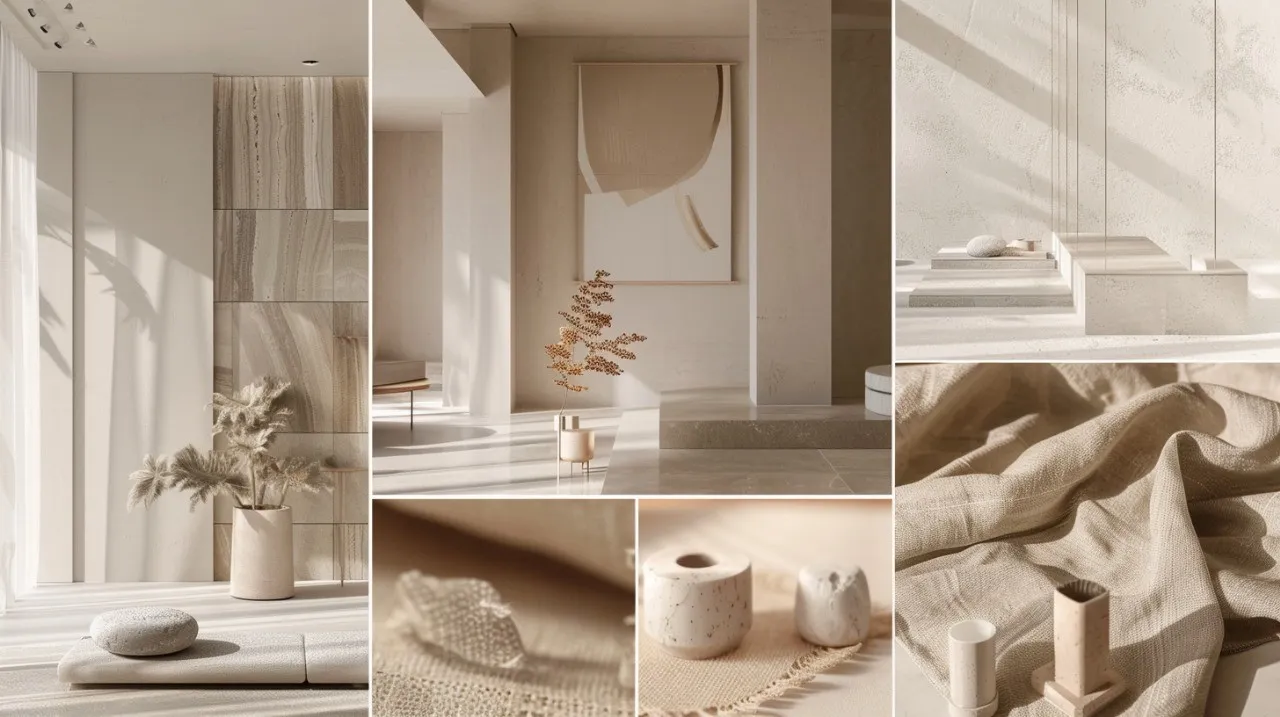
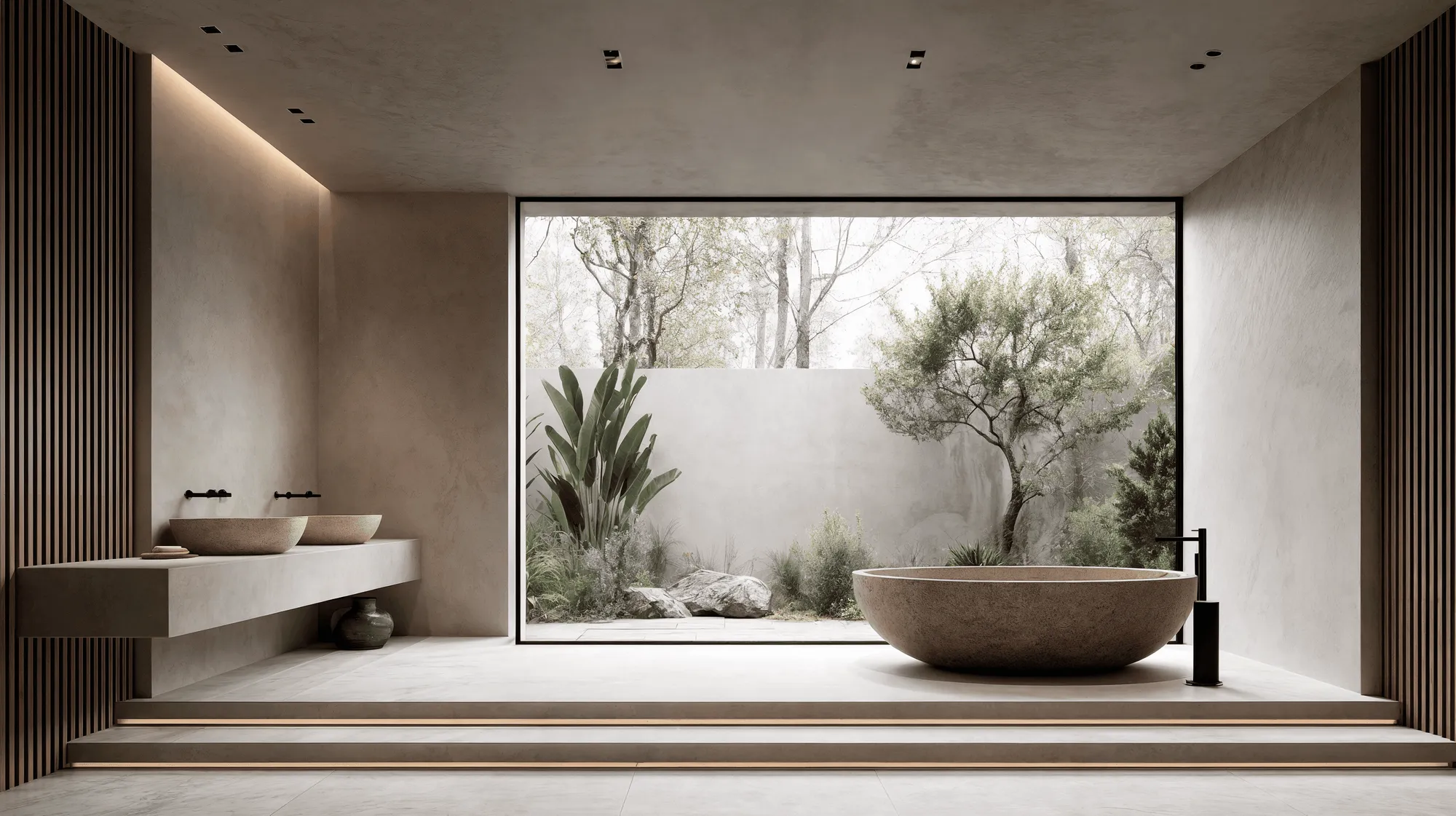
Texture, too, is felt as much as seen. The roughness of hand-troweled plaster invites touch. Warm wood underfoot barefoot is a sensory experience fundamentally different from cold stone. We choose materials not just for their visual character but for how they feel under hand and foot.
Perhaps the least discussed but most evocative of the senses. The smell of cedar, of warm concrete in afternoon sun, of fresh plaster — these can trigger deep memories and emotional states. In designing a space, we consider the materials' olfactory character.
The best architecture creates a coherent sensory environment where each element reinforces the others. At author. design®, this multi-sensory approach is built into our process from the earliest sketches. We ask not just "what will this look like?" but "what will it feel like to wake up here? to work here? to welcome guests here?" The answer shapes every decision.
Beautiful buildings are made for the eyes. Great buildings are made for the whole person.